How to Train a Reliable Recall: The Distraction Ladder and Common Mistakes
A reliable recall is the single most important safety skill a dog can learn. It is what gives your dog off-leash freedom while giving you complete peace of mind. Yet, "my dog won't come when called" is one of the most frequent comments I hear from dog owners who come to our training classes.
In most cases, the problem isn't that the dog is untrainable or stubborn. The issue is that owners often skip foundational steps, move into high-distraction environments too quickly, or inadvertently teach their dog that ignoring the cue has no consequences.
Here is a step-by-step guide to building a reliable recall from the ground up, avoiding the most common training mistakes, and structuring your progression logically.
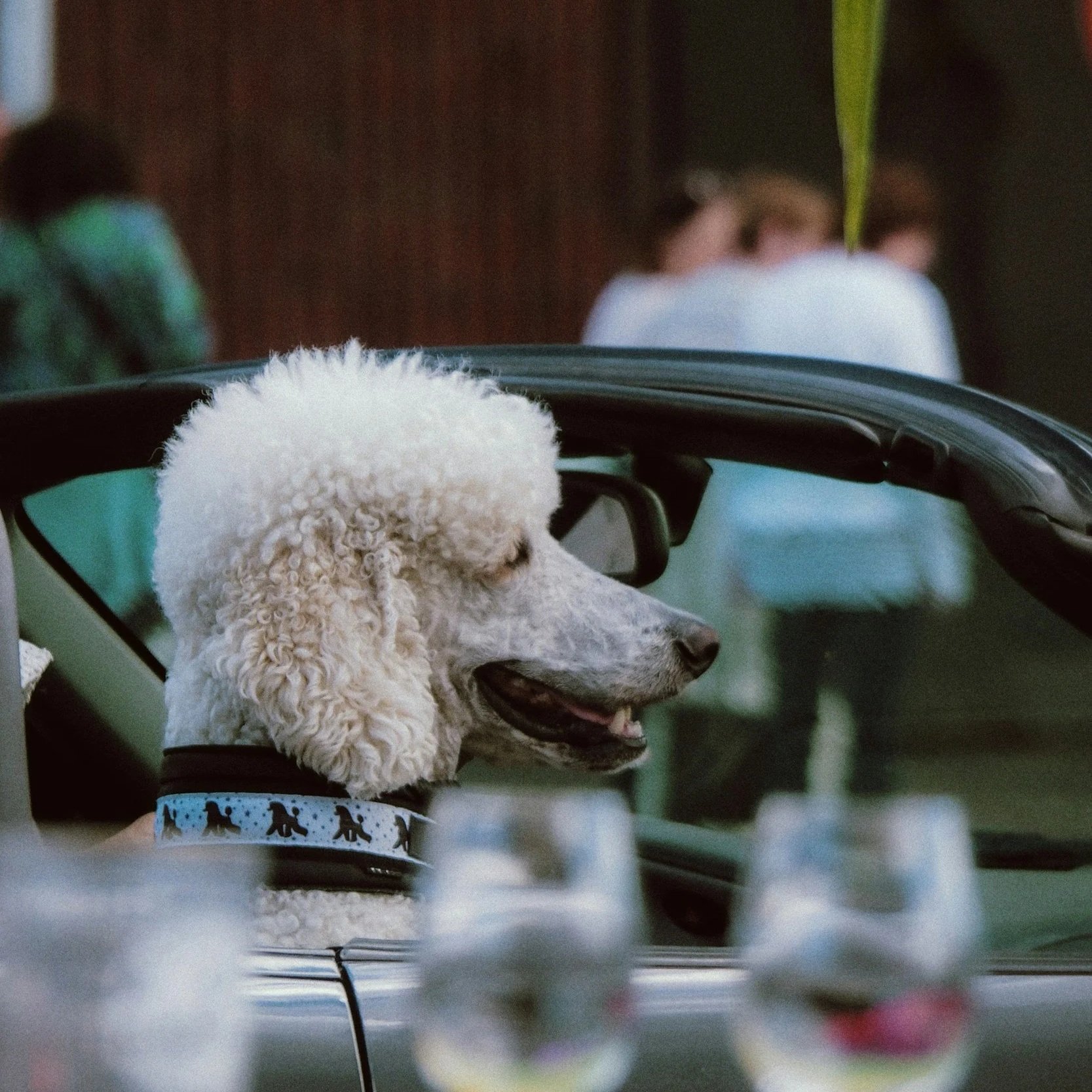
Mistake 1: Using the Dog's Name as the Recall Cue
One of the most common errors is using the dog's name as the recall command.
Calling "Daisy! Daisy!" when you want your dog to come to you creates confusion. One big reason for that is: you say your dog’s name way more often than you actually want them to come to you. A simple example would be calling to your vet to make an appointment for your dog. Do you really want Daisy to come to you 5 times you said her name during that call?
Your dog’s name is simply an attention cue — the equivalent of saying "Excuse me, Marianne" across a room. It draws attention to you, nothing more. You might appreciate it later when instead of coming to you, you’d like Daisy to stop exactly where she is standing because there is a bicycle about to pass between you two.
The Correct Sequence:
Name: Say your dog's name once to get eye contact/attention.
Recall Command: Give your dedicated recall word (e.g., "Come" or "Here").
Reward: Praise and reward immediately when they reach you.
Keep your recall word distinct from daily chatter.
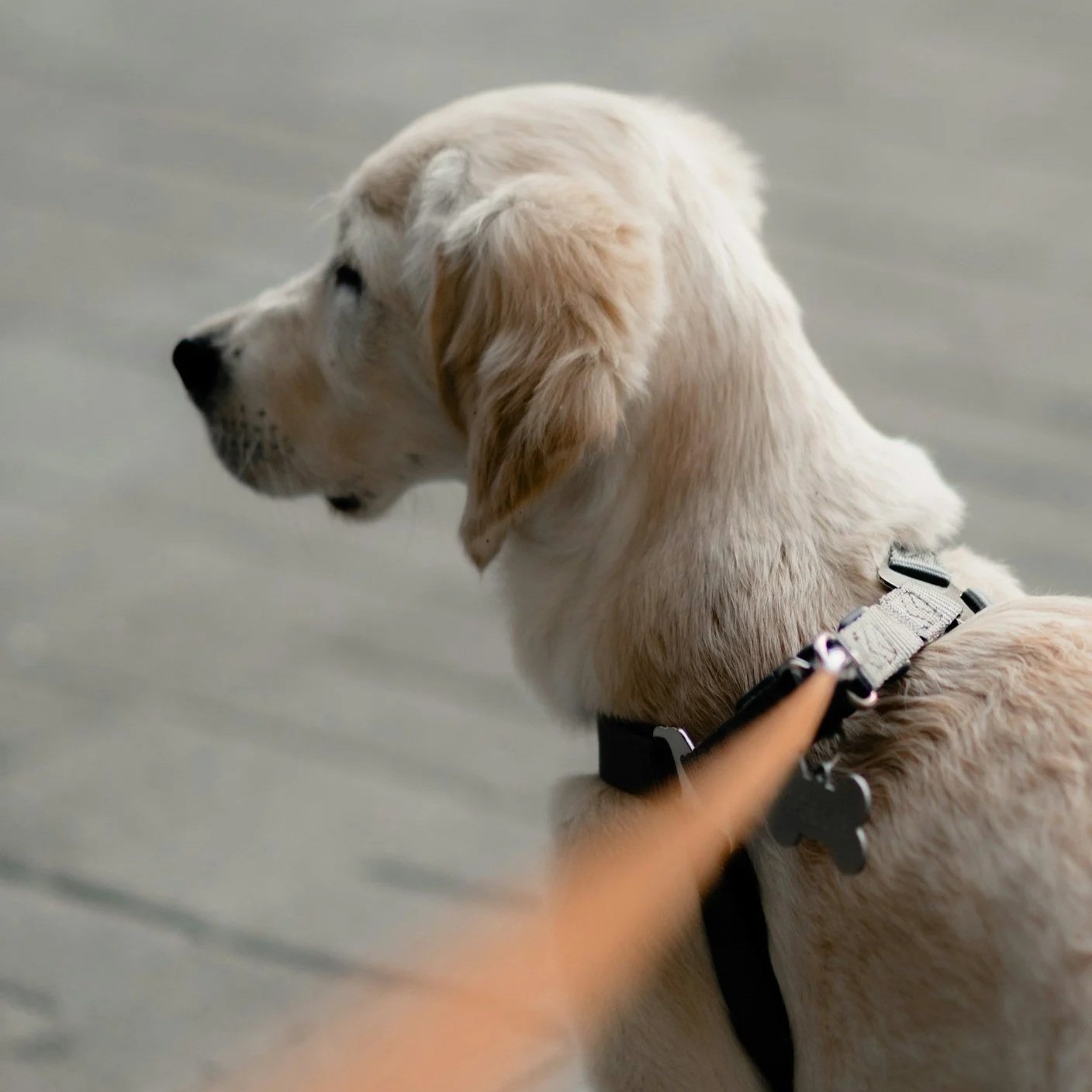
Mistake 2: Repeating the Command (And Why You Need a Leash First)
If you call your dog and they ignore you, do not repeat the command.
Shouting "Come! Come! Come!" over and over turns your recall word into background noise. It teaches your dog that responding on the first cue is optional, and that they can finish sniffing, playing, or exploring before deciding to head back.
The Golden Rule: Say It Once, Then Enforce It.
If you say your recall cue once and your dog does not turn toward you immediately, you must physically guide them to you.
This is precisely why you cannot start recall training off-leash. If your dog is off-leash 20 meters away and ignores you, you have zero physical control and no way to follow through. Every time your dog ignores a recall cue without consequence, the reliability of that command breaks down.
The Equipment Progression:
Step 1: On a Short Leash indoors or in a quiet yard. You have 100% control to gently guide your dog to you if they hesitate.
Step 2: On a Long Line (Schleppleine) outdoors. A 5- to 10-meter line gives your dog the feeling of freedom while ensuring you can step on the line or gently guide them in if they ignore the cue.
Step 3: Off-Leash. Only transition to full off-leash freedom once your dog has a 100% success rate on the long line in that specific environment.
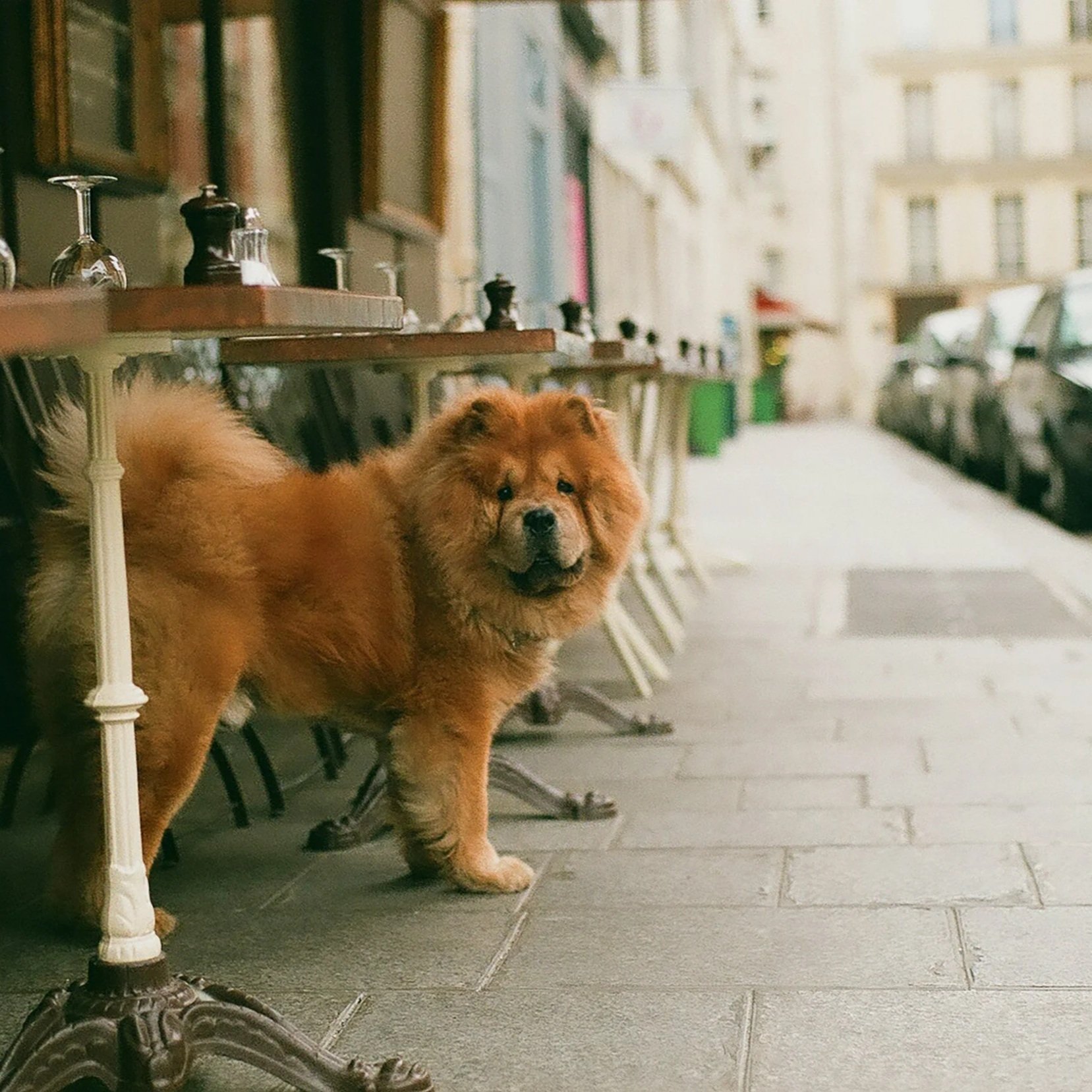
Building Your Distraction Ladder
The biggest reason recall training fails in real life is throwing a dog into high-distraction situations before they are ready. Expecting a dog to leave a running squirrel or a friendly dog park when they have only practiced in the living room is a recipe for failure.
You must build a Distraction Ladder—a step-by-step hierarchy of environments that gradually increases difficulty. “Everything is a distraction” is exactly what we need to beat. In a structured way.
Example:
Level 1: calling your dog when in the living room, the dog is on a short leash, no distractions present
Level 2: calling your dog when in the living room, the dog is on a short leash, there are some treats on the floor in front of your dog
Level 3: calling your dog when in the living room, the dog is on a short leash, there are treats on the floor and your dog is eating them
and so on
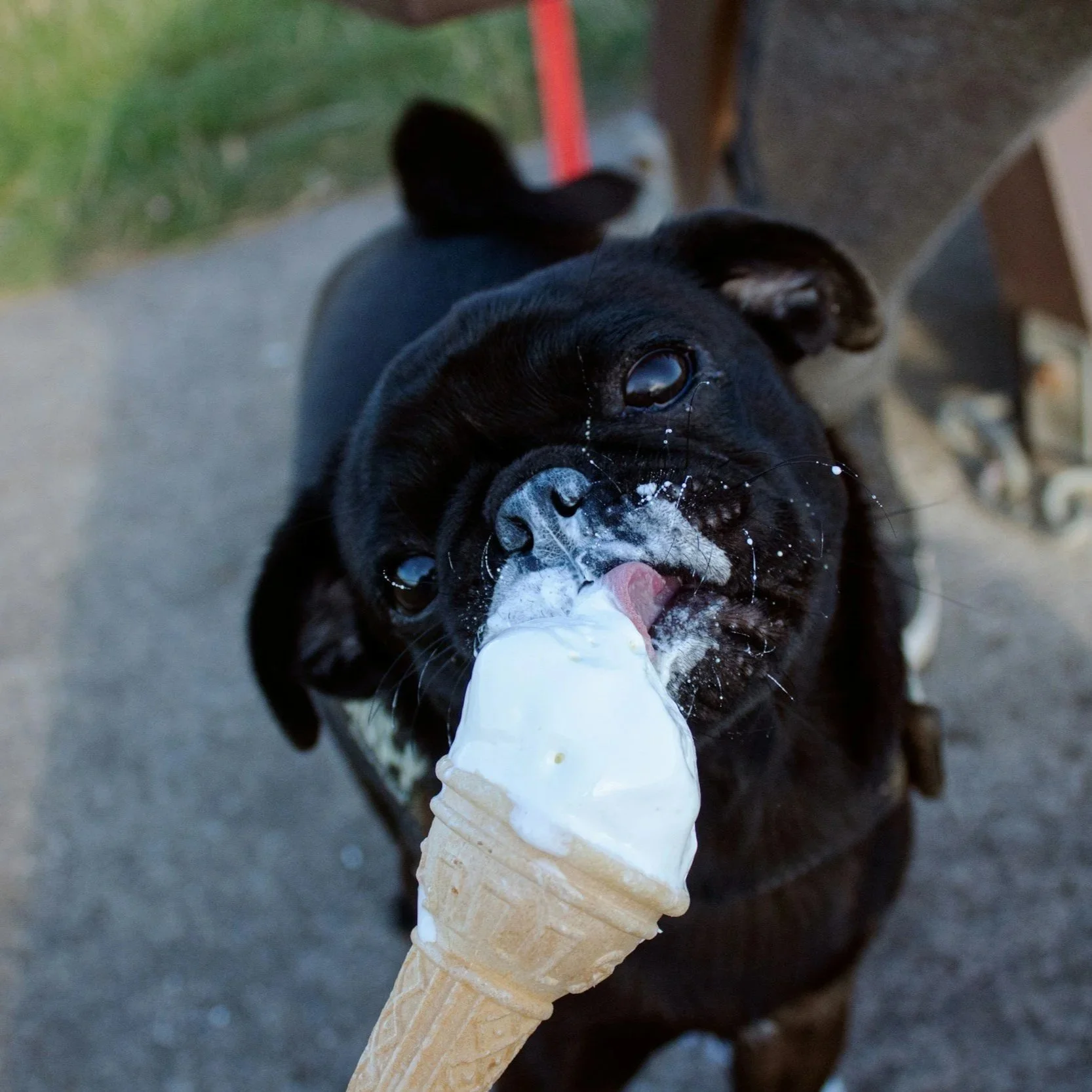
Tailoring Rewards to Your Dog's Motivators
To make a recall reliable, coming to you must be valuable. To introduce the recall, you need to discover what your dog genuinely finds rewarding:
Food
Toys & Play
Praise & Contact
Observe your dog’s temperament and match the reward to the level of distraction they just disengaged from.
A Note on Boundaries and Corrections
In high-drive situations — such as a hunting breed spotting game or a reactive dog spotting a trigger — pure positive motivation alone may eventually hit a ceiling. At an advanced stage of training, showing a dog that ignoring a recall is not an option may become necessary to guarantee safety.
Additionally, for dogs with low will-to-please (like my livestock guarding dog Dias), you may never get a recall you want if you stick to solely reinforcement-based training.
However, applying corrections in dog training is not something that can or should be learned from a blog post. Every dog has a different temperament, emotional threshold, and sensitivity.
Knowing when, how, and if to introduce boundaries requires a hands-on assessment by an experienced professional trainer who understands your specific dog's capabilities and training state.
If you need structured help building a reliable recall or want to work through a customized training ladder for your dog, get in touch with BOOPCAMP Dog School at contact@boopcamp.ch or on Instagram @boop.camp.